


F1 Bahrain Testing Ends With Clear Winners, Quiet Losers, and Big Questions Heading Into 2026
Formula 1 testing in Bahrain is officially done, and while lap times never tell the full story, the final days of running painted a clearer picture of who left confident and who left with homework.

Across three intense test days at Bahrain International Circuit, teams focused less on headlines and more on understanding cars built for one of the biggest regulation resets in modern F1 history. Reliability, drivability, and energy management mattered more than outright pace, but patterns still emerged.
Some teams will leave Bahrain feeling validated. Others will leave knowing the season cannot start soon enough.
The teams that impressed
Mercedes quietly stood out across the test. Strong mileage, clean long runs, and consistent pace suggested a solid baseline car. While no one is claiming dominance yet, Mercedes looked organized and comfortable with the new systems, which is exactly what teams want at this stage.
Ferrari also came away with positives. The team logged heavy mileage and introduced meaningful updates during testing, signaling confidence in their development direction. Feedback out of the garage pointed toward improved understanding of tyres and energy deployment, two areas expected to define race performance in 2026.

Both teams looked less concerned with proving speed and more focused on building trust in their cars.
The teams raising questions
Aston Martin leaves Bahrain with the most unanswered questions. Limited running, inconsistent pace, and visible struggles adapting to the new regulations put the spotlight on a team that entered the season with massive expectations. There is still time to recover, but the margin for error already feels thin.
Cadillac F1 Team, as a new entrant, showed flashes of competence but also signs of being behind the curve. That is not unexpected, but early correlation issues and setup compromises mean development speed will be critical once racing begins.
Red Bull remains the mystery
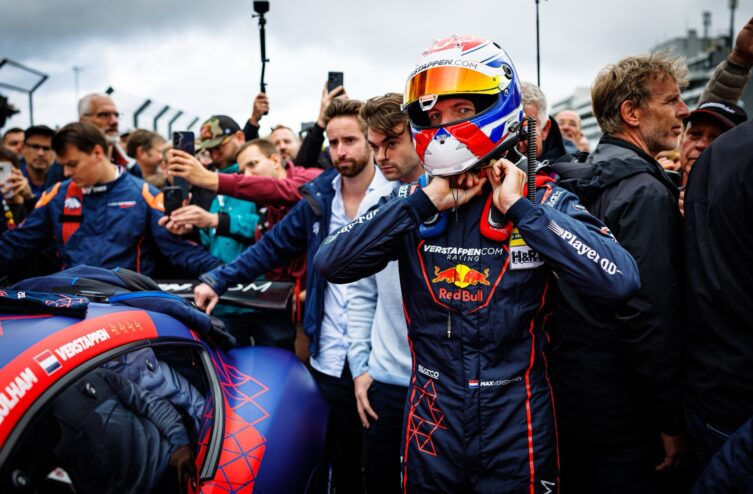
Red Bull Racing may be the hardest team to read.

The car looked stable, but the team appeared focused on data gathering rather than performance runs. Rivals remain convinced Red Bull is holding something back, particularly in power unit deployment. Whether that belief is paranoia or reality will only be answered once qualifying begins.
The drivers adapting fastest
Several drivers looked comfortable quickly under the new rules, managing lift-and-coast demands, energy deployment, and race-sim consistency without drama. Others were visibly working harder to extract performance, a reminder that the 2026 regulations reward precision and patience as much as aggression.
The biggest takeaway is that driver confidence varies more than usual, which could create early season surprises.
The biggest concern leaving Bahrain
Beyond performance, the biggest talking point remains race starts.
Inconsistent launches, hesitation off the line, and system complexity raised real concerns during testing. The issue has already triggered discussions between teams and the FIA, and how quickly it is addressed could shape the opening races of the season.
If starts are not cleaned up, chaos could follow.
What testing really told us
Bahrain testing did not crown a favorite. It did something more important.
It showed which teams are calm, which teams are searching, and which teams are already under pressure. The gaps are not huge, but confidence gaps are starting to form.
And in a new era, confidence matters.
Why this matters
The end of Bahrain testing marks the transition from theory to reality.
Some teams leave believing they understand their cars. Others leave knowing the learning curve is steeper than expected. Once racing begins, there will be no hiding behind test programs and fuel loads.
The 2026 season is wide open, but the early warning signs are already there.


Comments